Ensuring Sanitation Compliance in Hair Salons through Proper Sterilization of Barber Tools
Wiki Article
Upkeeping robust benchmarks of sanitation in grooming establishments is essential for safeguarding both customers and employees from possible contamination. Hair salons are settings where cutting tools and hair tools come into close contact with skin, hair, and sometimes minor abrasions. This requires comprehensive cleaning and disinfection a critical process to prevent the propagation of microbes, infectious agents, and molds. By following consistent cleaning procedures, barbers can create a healthier space, reassure clients, and comply with safety standards that govern professional grooming establishments.
Efficient sterilization of tools originates with knowing the variation between scrubbing, decontaminating, and decontaminating fully. Scrubbing gets rid of visible debris such as hair, epidermal matter, and styling remnants, while disinfecting reduces the level of harmful microorganisms to a acceptable standard. High-level cleaning advances by eliminating nearly all forms of organisms, including dormant bacteria. Tools such as shears, blades, styling tools, and trimmers must undergo appropriate processes to guarantee that every stage adheres to sanitation requirements. Employing certified cleaning solutions and following the recommended procedures guarantees that equipment are both secure to apply and long-lasting over use.
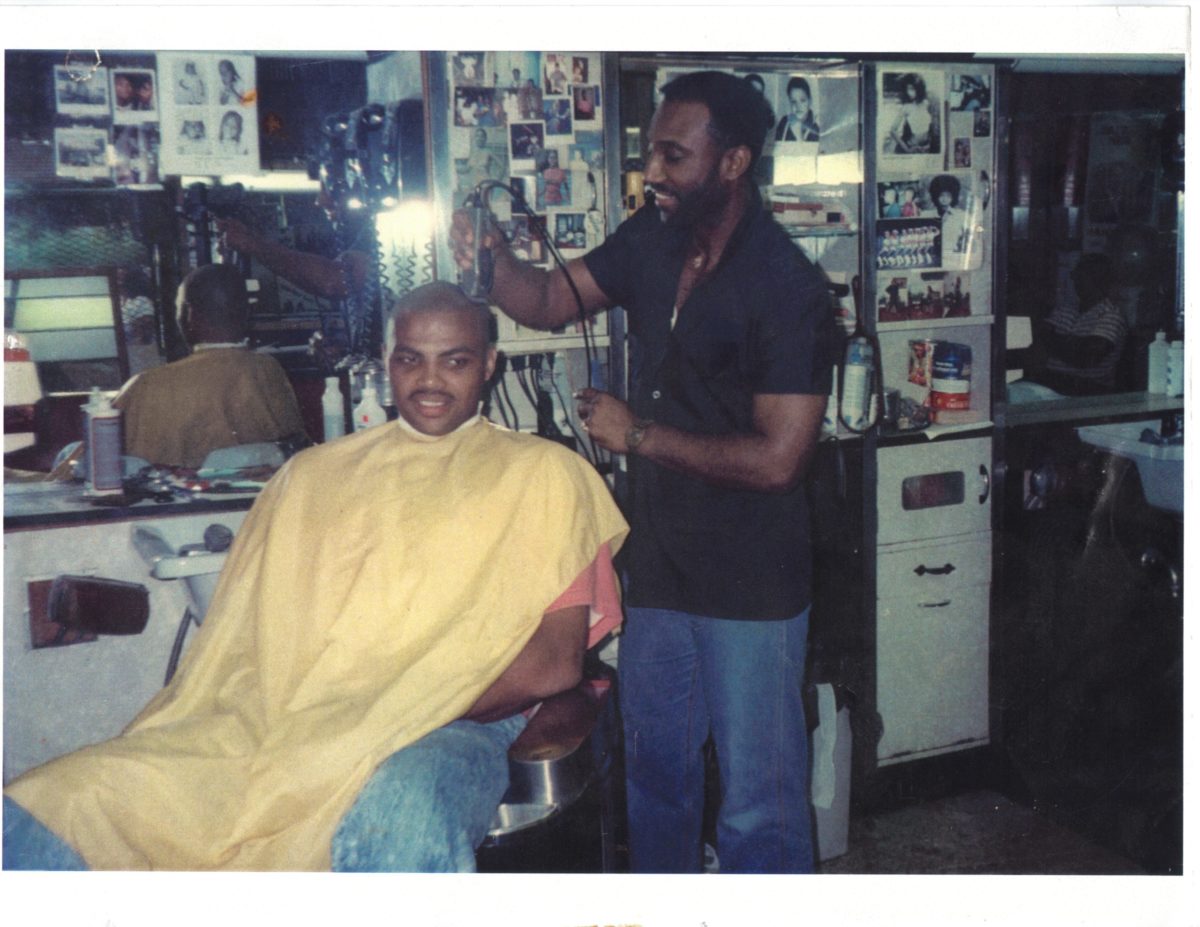
Hair salons must also prioritize the correct management and storage of sterilized instruments. Equipment that have been disinfected or cleaned should be maintained in a dry, dry area to avoid microbial growth. Separate storage containers, UV storage site here boxes, or protective pouches can maintain tools from environmental pathogens. Additionally, groomers should implement the habit of marking sterilized instruments and cycling them consistently to ensure consistent cleaning protocols. A organized process to tool management not only improves hygiene but also shows professionalism to clients.
Instructing employees on correct sanitation techniques is another essential factor in maintaining sanitation protocols. Stylists and salon employees should undergo training on safe hand sanitation, wearing gloves, and the cleaning of high-touch surfaces such as seating, counters, and basins. Ongoing refresher courses and you can try these out inspections maintain that hygiene practices remain consistent across the shop. Educating staff about the hazards of infection spread and the importance of following procedures fosters a environment of hygiene and responsibility within the barber shop.
Frequent inspection and upkeep of disinfection equipment also maintain sanitation standards. Sterilizers, vibration cleaners, and chemical disinfectants must be tested for effectiveness, and any faulty tools should be serviced promptly. Following a formal see hygiene guide and keeping detailed records of cleaning schedules additionally enhances adherence with local sanitation laws. By implementing correct equipment sanitation, organized management, staff training, and tool upkeep, hair salons can ensure a clean, professional space that protects the safety of every client.